Warm intros vs cold outreach: how investor meetings actually happen
The direction is certain, the multiplier is folklore. Why intros work, the honest case for cold, and how to manufacture warmth systematically.
9 min readUpdated August 2026
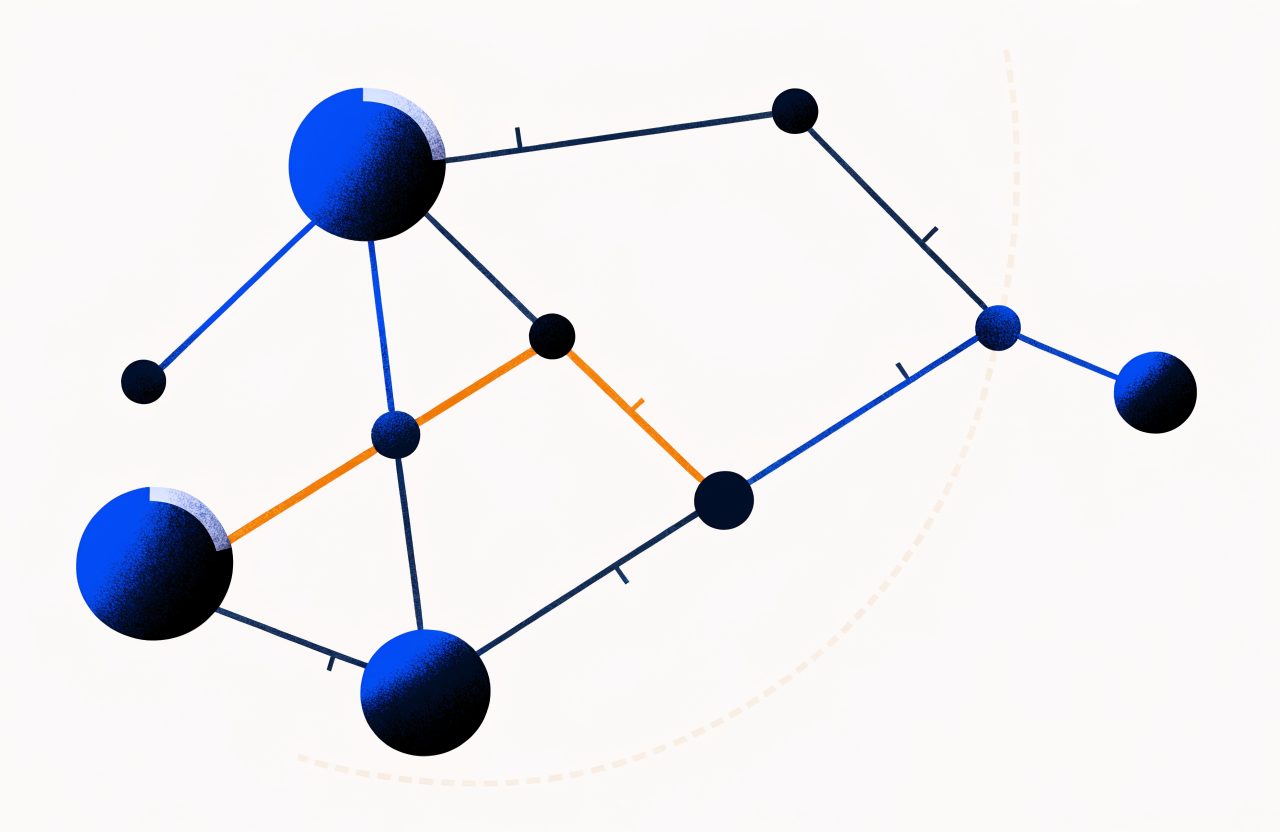
Two founders email the same partner in the same week. One email arrives via a portfolio founder the partner backed two years ago, with a one-line "worth your time" on top. The other arrives cold, well-written, into an inbox that received forty like it that day. Same deck quality, same market. One gets a meeting booked within a week. The other gets archived by an associate, if it is read at all.
Everyone in venture knows this happens. The interesting questions are why it happens, how big the gap really is, whether cold ever wins, and - most usefully - how to manufacture warmth when you did not arrive with a network. That is this piece.
Raise smarter with Raised. Import your LinkedIn network and Raised maps the warm paths: who you know, who they know, and the shortest credible route to every investor in your pipeline.
What the evidence actually supports
Be careful with the statistics you have seen on this. Numbers like "warm intros are 13x more effective" circulate endlessly, and almost none of them trace back to a study you can read. What the credible evidence does support:
- Investors say it themselves. Ask almost any fund how they meet companies and referrals from founders, portfolio CEOs and other investors dominate their answer. Many funds state openly that most of their deal flow arrives through their network.
- Deal-flow research agrees on direction. Surveys of venture firms - the academic work on how VCs decide, and DocSend's ongoing research on real fundraises - consistently find that referred deals get more attention than inbound, and that the median raise involves contacting many more investors than folklore suggests.
- The mechanism is mundane. A partner sees hundreds of companies a quarter and can properly evaluate a fraction of them. An intro from someone whose judgement they know is not magic; it is triage. The referrer has staked a sliver of reputation, and that stake is information.
So: direction certain, multiplier unknowable. Treat "warm beats cold" as settled and "by exactly how much" as unanswerable - it depends on you, the fund and the referrer.
Why warm works: the referrer is the message
A warm intro carries three things a cold email cannot:
- Borrowed credibility. Someone the investor trusts spent reputation on you. That is costly signalling, and investors are professional readers of costly signals.
- Pre-qualification. The referrer implicitly says "this is in your thesis, at your stage, and not obviously broken" - the exact filtering an associate is paid to do.
- An obligation to respond. Ignoring a cold email costs nothing. Ignoring a portfolio founder's intro has a small social price. Small is enough to earn a reply.
Note what a warm intro does not do: it does not make a weak company fundable. It moves you from unread to read. The funnel maths still applies after that - warmth mostly fixes the top of the funnel, where cold outreach loses 85% of its energy.
The honest case for cold outreach
Cold is not hopeless, and pretending it is would be both wrong and quietly elitist - the warm-intro system structurally favours founders who already orbit money.
- Some funds genuinely welcome cold. A visible minority of seed investors publish open application forms or say plainly that cold email works on them, precisely because they know the intro filter replicates existing networks. Take them at their word and prioritise them in your cold segment.
- Specific beats connected. A cold email that names the investor's relevant investment, states traction in numbers, and asks for one thing can outperform a lukewarm intro from someone the partner barely rates. The worst intro is a favour-chain intro through someone with no credibility on your category.
- Cold scales; favours do not. You can send thirty researched cold emails a week indefinitely. Your intro network exhausts.
The practical answer is not either-or. It is sequencing: warm paths first for your Tier 1 list, researched cold for the long tail, open-application funds in parallel.
Manufacturing warmth when you were not born with it
The founders who seem magically connected mostly did something systematic:
- Map the second degree. Your investors, advisors, former colleagues, other founders, your accelerator batch - their networks are your reachable warm surface. It is almost always bigger than founders assume, and almost never mapped.
- Ask the person, not the crowd. "Do you know anyone?" produces nothing. "You are connected to X at Y - would you be comfortable introducing us?" produces intros, because it is answerable in one minute.
- Make forwarding effortless. Every intro request carries a three-line forwardable blurb: what you do, one traction number, what you are raising. The referrer should never have to compose anything.
- Let other investors refer you sideways. A fund that passes politely but liked you is one of the best referrers there is. "Is there anyone you think this is a better fit for?" costs nothing and lands surprisingly often.
This mapping is exactly what Raised automates. Import your network from LinkedIn and Raised builds the graph - your connections, their mutuals - then shows intro paths to any investor in your pipeline: who can make the intro, and how close they actually are. Your Tier 1 investors get warm paths; the long tail gets your best cold email; and after every positive meeting a follow-up task is created automatically, because a warm intro wasted by a dropped follow-up is the most expensive kind of silence.
The mechanics of an intro that actually lands
Most intro requests fail on logistics, not willingness. The version that works has three moving parts:
- The ask, to the referrer: one named investor, one sentence of why the fit is real, and permission to say no - "if you don't know them well enough, no problem at all" gets you more intros, not fewer, because it removes the awkwardness of a half-hearted forward.
- The forwardable blurb, attached: three lines the referrer can send untouched. What you do in plain words, one number that proves motion, what you are raising. No adjectives doing the work numbers should do. Write it once, per round, and reuse it relentlessly.
- The double opt-in, respected. Good referrers check with the investor before connecting you. Do not resent the extra day - an intro the investor agreed to receive opens at effectively 100%, which is the entire point of the exercise.
Then the part everyone fumbles: the handoff. When the intro email arrives, reply within hours, move the referrer to bcc with thanks, and give the investor a two-line version plus one concrete ask for a meeting. And afterwards - win or lose - tell the referrer what happened. People who hear how their intros went make more intros; people who hear nothing stop. Referrer maintenance is the cheapest pipeline investment there is, and your monthly update is the natural instrument for it.
Where each channel belongs in the raise
Treat the table as defaults, not law. A cold email to a Tier 1 fund is better than no approach at all - it is simply your third-best option, to be used when the intro hunt has genuinely come up empty after two weeks, not before.
One channel is missing deliberately: paid intro brokers. Investors discount broked intros to roughly cold, and some treat a paid intermediary as a negative signal on a pre-seed or seed round. Spend the money on runway instead.
Timing note: none of this works under deadline pressure you created yourself. Warm paths take weeks to activate, so map the network before the raise starts - the same weeks you are sizing the round and checking your burn gives you enough runway to raise from strength. The fundraising process guide puts this in sequence.
Put it together
Warm intros win because they are triage, not magic: direction certain, multiplier unknowable. Cold works when it is specific, aimed at funds that welcome it, and treated as the long tail rather than the strategy. The founders who look connected simply mapped their second degree early and made every intro effortless to forward. Map yours before the raise needs it.
Raise smarter with Raised. LinkedIn network in, warm paths out - for every investor on your list. One plan, $39 a month or $299 a year.
Warm intros and cold outreach: common questions
Do cold emails to investors ever work?
Yes - at a lower rate than referred outreach, and unevenly. They work best on funds that explicitly welcome cold contact, and when the email is specific: their portfolio referenced, your traction in numbers, one clear ask. Generic cold blasts convert close to zero and are the reason inboxes filter aggressively.
How much better are warm intros than cold outreach?
Directionally, much better; precisely, nobody can honestly say. The widely-quoted multipliers do not trace to real studies. What is well-supported is that most venture deal flow arrives through networks and that referred deals get materially more attention than inbound ones.
How do I get warm intros to investors with no network?
Map your second degree: founders you know, advisors, former colleagues, your accelerator batch, and investors who passed warmly. Ask each for one specific introduction, with a three-line forwardable blurb attached. Raised builds this map automatically from your imported LinkedIn network and shows the paths per investor.
Who is the best person to introduce me to an investor?
In rough order: a founder in their portfolio, another investor they co-invest with, then anyone whose judgement they demonstrably trust. The strength of the intro is the referrer's credibility with that specific partner, not their seniority in general.
Should I pay for investor introductions?
No. Paid intros are widely discounted to cold or below, and at early stage some investors read a paid intermediary as a negative signal. The same money is better spent extending runway while you build real paths.
Raised is a fundraising CRM, not a law firm or a broker. Nothing on this page is legal, tax or investment advice. Take the round documents to a lawyer before you sign them.
Georgi, founder of Raised. He built it after running a raise out of a spreadsheet that fell over somewhere around investor number forty.
Related articles
Free tools
Raise smarter with Raised
Start your raise